Skip to content
Subscribe
Namaste Derma

The Dermatology Media Publication

Hair

Types of Hair: Styling and Care Guide
Hair

Types of Hair: Styling and Care Guide

Healthy hair starts with the right care routine. From gentle washing and reducing heat damage to choosing suitable hair-care products, Namaste Derma brings you dermatologist-backed tips for healthier hair and common mistakes to avoid.

Namaste Derma Editorial5 min read

FAQ & Guidance

Frequently Asked Questions on Hair

Common questions and evidence-based guidance regarding hair.

How to boost hair growth?

To promote hair development and avoid breakage, prioritize scalp health, a nutrient-dense diet, and hair protection from physical and thermal damage.

Scalp Care and Stimulation

Provide regular scalp massages: Massaging your scalp with your fingertips for a few minutes per day improves blood circulation to the hair follicles.

Keep your scalp clean: Wash your hair on a regular basis to remove oil, sweat, and product buildup, which can clog hair follicles.

Topical therapies, like as caffeine, rosemary oil, or aloe vera, can stimulate the scalp and promote healthier follicles.

Consider medical therapies: Over-the-counter solutions like minoxidil, as well as professional treatments like PRP (Platelet-Rich Plasma) therapy, have been clinically proven to halt hair loss and increase density. Before beginning any new topical or microneedling routines, consult with a dermatologist.

Nutrition From the Inside Out

Prioritize protein: Because hair is mostly composed of keratin, consuming adequate lean protein (such as eggs, fish, chicken, beans, and lentils) is crucial.

Check for deficiencies: Low levels of iron (which can lead to anemia), zinc, vitamin D, B vitamins (including biotin), and omega-3 fatty acids have all been associated to hair loss. Eat a well-balanced diet rich in leafy greens, fatty fish, nuts, and seeds, and consult your doctor before using supplements.

Avoid rapid weight loss: Crash dieting depletes vitality in hair follicles and might cause shedding.

Protect against damage and breakage.

Reduce heat styling: Straighteners, curling irons, and blow-dryers use excessive heat, which damages the hair shaft. If you must style, apply a thermal heat protectant.

Wet hair is the most fragile, so use a wide-tooth wooden comb instead of a tight brush, and avoid tight ponytails or buns that tug at the roots.

Reduce friction at night by sleeping on a satin or silk pillowcase or wearing a satin hat to prevent frizz and breakage.

Which foods improve hair?

A nutrient-rich diet strengthens hair follicles, promotes growth, and prevents breakage.

Top Foods For Hair Health

Eggs are high in protein and biotin (vitamin B7), both of which are necessary for keratin production and hair loss prevention.

Fatty fish (salmon, mackerel, sardines) are high in omega-3 fatty acids, protein, selenium, and vitamin D3, which promote thick, strong hair.

Spinach and Leafy Greens: High in iron, folate, vitamin A, and vitamin C, iron helps red blood cells transport oxygen to your hair roots.

Nuts and Seeds (almonds, walnuts, flaxseeds, and chia seeds): Contain vitamin E, zinc, selenium, and good lipids that protect the scalp from harm.

Avocados are high in healthy fats and vitamin E, which help hydrate the scalp and prevent brittle hair.

Sweet potatoes are high in beta-carotene, which your body turns into vitamin A, allowing it to manufacture natural scalp oils.

Greek yogurt contains protein and vitamin B5 (pantothenic acid), which improves blood flow to the scalp.

Beans and lentils: Plant-based sources of protein, iron, zinc, and biotin.

Which fruits promote hair growth?

Consuming nutrient-dense fruits promotes a healthy scalp, strengthens hair follicles, and prevents breakage.

Best Fruits for Hair Growth and Scalp Health

Guava is high in Vitamin C, which protects hair from breaking and aids in the production of collagen, resulting in stronger strands.

Amla (Indian Gooseberry): Extremely strong in Vitamin C and antioxidants; traditionally used to decrease hair loss, improve iron absorption, and combat dandruff.

Oranges and citrus fruits contain Vitamin C, antioxidants, and natural ingredients that promote scalp circulation and collagen synthesis.

Avocado: High in healthy fats and Vitamin E, which reduce oxidative stress, hydrate the scalp, and repair damaged follicles.

Papaya contains vitamins A and C, folic acid, and natural enzymes that promote blood flow to the scalp and keep it moisturized.

Bananas contain potassium, biotin, silica, and vitamin B6, which promote hair elasticity, minimize split ends, and prevent breakage.

Berries (strawberries, blueberries) contain antioxidants and Vitamin C, which protect hair follicles and enhance blood flow to the scalp.

What to drink to grow hair?

To promote healthy hair development from the inside out, hydrate and supply your body with vitamins, minerals, and proteins that nourish your hair follicles.

Best Drinks for Hair Health.

Water: Hydration is essential for maintaining good hair health. Dehydration can cause dry, brittle strands and slow down cell turnover, affecting hair development.

Green tea is high in antioxidants (particularly EGCG) and polyphenols, which help reduce oxidative stress and inflammation, promoting a healthy scalp and protecting hair follicles.

Bone Broth: Bone broth is high in collagen, amino acids, and minerals such as zinc and magnesium, which serve as building blocks for keratin.

Aloe vera juice, which contains anti-inflammatory effects as well as vitamins A, C, and E, can help to enhance scalp health and circulation around the hair roots.

Berry or Spinach Smoothies: Combining dark leafy greens (such as spinach or kale) with berries results in a drink high in iron, vitamin C, folate, and antioxidants. Vitamin C is very crucial for iron absorption and collagen production.

Protein Shakes (Whey, Pea, or Collagen): Because hair is mostly composed of protein, a lack of dietary protein might result in hair thinning or shedding. Including clean protein sources in your regular routine improves structural strength.

Key Nutrients to Look for

Biotin (Vitamin B7): Contributes to the production of keratin. Vitamin D stimulates both existing and young hair follicles. Iron carries oxygen to your hair roots, allowing them to grow. Zinc: Repairs and strengthens hair tissue.

What's the cause of alopecia?

Alopecia is a broad medical word for hair loss. Because "alopecia" refers to a variety of conditions, the exact reason is determined by the type you have:

Alopecia areata (autoimmune hair loss)

Cause: Your immune system mistakenly targets your own hair follicles, perceiving them as foreign invaders like viruses or bacteria.

Triggers: A genetic predisposition (family history) plays an important role. It is also associated with other autoimmune or allergic illnesses such as thyroid disease, type 1 diabetes, vitiligo, eczema, or asthma, and physical or mental stress can serve as a trigger.

Androgenic alopecia (pattern baldness).

Cause: This is the most prevalent cause of hair loss, resulting from a combination of inheritance (genetics) and hormones.

Mechanism: In men, dihydrotestosterone (DHT), a male hormone byproduct, decreases hair follicles, causing male-pattern baldness. Women have female-pattern thinning, which is frequently associated with aging, menopause, or hormonal abnormalities such as polycystic ovarian syndrome (PCOS).

Telogen Effluvium (Stress or Shock Induced Shedding)

Cause: A quick physical or mental shock causes a large number of active hair follicles to enter a resting and shedding phase.

Triggers include high fever, major surgery, severe illness, rapid weight loss, delivery, extreme psychological stress, or sudden changes in hormone levels.

Scarring Alopecia (Cicatricial Alopecia).

Permanent inflammation or skin disorders (such as lichen planus, discoid lupus, or folliculitis decalvans) destroy the hair follicles, which are replaced by scar tissue.

Other Causes

Medications and Medical Treatments: Chemotherapy, radiation therapy to the head, and some blood pressure and arthritis medications can cause hair loss.

Traction Alopecia: Physical damage or mechanical tension caused by extremely tight hairstyles like as braids, buns, or dreadlocks.

Scalp infections include fungal infections like ringworm.

Which drink stops hair fall?

No single drink can completely prevent or cure hair loss, but certain nutrient-dense and antioxidant-rich beverages can nourish your hair follicles, reduce breakage, and promote healthy hair development from inside.

Top Drinks that Promote Hair Health

Amla Juice: Amla (Indian gooseberry) is high in vitamin C and antioxidants, which can stimulate collagen formation, improve iron absorption, and strengthen hair roots.

Green Tea: High in EGCG (epigallocatechin gallate), green tea reduces scalp irritation and can prevent DHT (a hormone associated to hair thinning).

Spinach and Carrot Juice: This blend contains iron, folate, vitamin A, and beta-carotene, which nourish the scalp and minimize hair loss.

Onion Juice: Rich in sulfur and quercetin, onion juice stimulates hair follicles and can prevent enzymes that cause hair loss, however it is frequently diluted or combined owing to its strong taste and odor.

Fenugreek (Methi) Seed Water: Soaking fenugreek seeds overnight and drinking the water contains protein, iron, and nicotinic acid, which promotes root strength.

Important Things to Remember

Find the Root Cause: Hair loss can be caused by heredity, stress, hormonal imbalances (such as thyroid or PCOS), or dietary deficiencies (iron or vitamin D).

Medical Advice: If you are experiencing abrupt or severe hair loss, the best course of action is to see a dermatologist or healthcare specialist.

How to stop stress alopecia?

Stress-induced hair loss, known as telogen effluvium, occurs when physical or emotional stress pushes hair follicles into the shedding phase prematurely. Hair fall usually begins 2–3 months after a stressful event. Fortunately, the condition is generally temporary and reversible.

Tips to Manage Stress Hair Loss:

  1. Manage Stress: Practice meditation, yoga, deep breathing and regular exercise.

  2. Prioritize Sleep: Aim for 7–9 hours of quality sleep every night.

  3. Eat a Balanced Diet: Include protein, iron, zinc and vitamin-rich foods.

  4. Avoid Harsh Hair Treatments: Limit excessive heat styling, bleaching and tight hairstyles.

  5. Consider Medical Advice: Consult a dermatologist about deficiencies, supplements or topical minoxidil if needed. Hair Recovery Timeline:

  • 3–6 months: Hair shedding usually decreases.

  • 3–6 months after the trigger resolves: New hair growth may appear.

  • 6–18 months: Hair density may gradually recover.

What hair type is the healthiest?

There is no one "healthiest" hair type, whether straight, wavy, curly, or coily. Health is determined by how well you care for your hair, not by its natural curl pattern or shape.

Key Factors Rather Than Curl Type.

Porosity (Medium is ideal): Hair porosity refers to how well your hair absorbs and holds moisture. Medium porosity is generally viewed as the most balanced because the cuticle is healthy enough to allow in and retain the necessary amount of moisture without effort.

Texture/Thickness (Coarse/Thick Resilience): Thick or coarse hair strands are more resistant to heat and styling damage than fine hair, although they might become dry.

Signs of Health: Whether your hair is Type 1 (straight) or Type 4 (coily), healthy hair has a natural sheen, elasticity, strength, minimal breakage, and requires frequent split-end trimming.

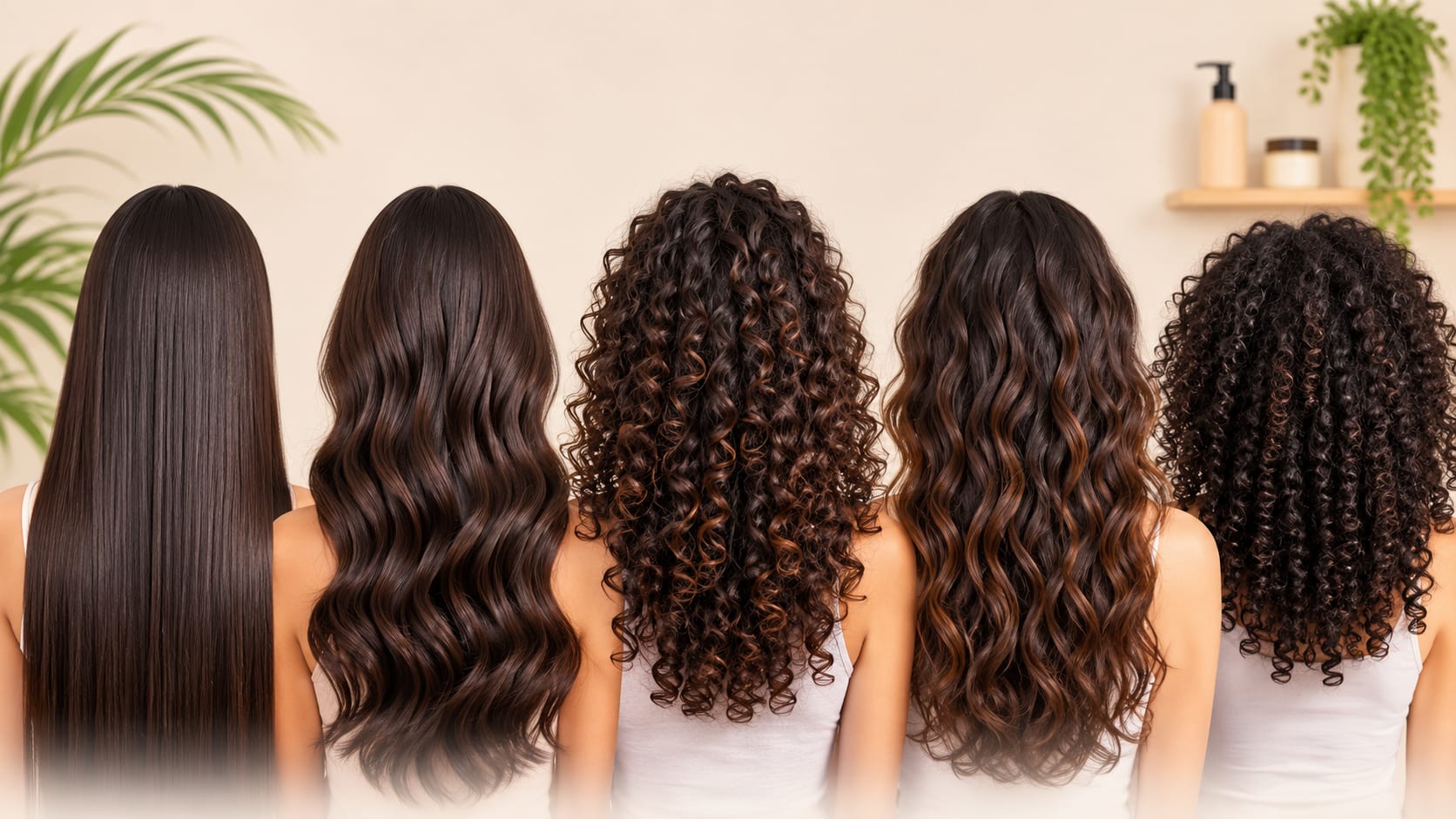
What are hair types?

The technique developed by stylist André Walker divides hair into four major categories based on curl patterns, forms, and structural elements. Each primary kind is further classified into three subcategories (A, B, and C) based on the width and tightness of the wave or curl.

Type 1: Straight hair.

Straight hair has no curls or waves and is lustrous because natural scalp oils can easily go down the shaft.

1A: Very fine, flat, and soft; typically pin-straight. 1B: Medium thickness, with a little more body and mild bends. 1C is coarser, thicker, and more prone to volume or frizz.

Type 2: Wavy hair.

Wavy hair alternates between straight and curly, with loose S-shaped waves.

2A: Fine and disheveled, with a delicate, long S-wave. 2B: Medium texture with more defined, beachy S curls. 2C: Thicker waves with well-defined S-shapes that begin closer to the roots, prone to frizz.

Type 3: Curly hair.

Curly hair produces prominent spirals, ringlets, or corkscrews with increased volume.

3A: Loose, huge spiral curls the size of a sidewalk chalk piece. 3B: Springy ringlets and corkscrews the size of a marker. 3C: Tight, thick, springy corkscrew coils.

Type 4: Coily/Kinky Hair.

Coily hair has tight coils, zigs, or zigzag patterns with a high density and natural shrinking.

4A: Soft, well-defined S-pattern coils that are roughly the size of a crochet needle. 4B: Sharp, angular zig-zags with a narrower circle. 4C: Super-tight, fragile zig-zag spirals with hard-to-see patterns and high shrinking.

Hair Texture versus Hair Type

Hair type relates to the curl shape (Types 1–4), whereas hair texture refers to the thickness or diameter of an individual strand:

Fine: thin strand diameter; smooth, silky, and easily weighed down. Medium: Average strand diameter; retains styles well and has a balanced body. Coarse (Thick): Large strand diameter; sturdy and resilient, but may take longer to dry.

People frequently have mixed experiences managing moisture and definition based on their specific curl category:

You may have varying curl patterns on different places of your head. To keep your curls healthy, bouncy, and defined, you may need to experiment with different products to find what works best for you.
Why is Gen Z losing hair?

Early hair thinning and shedding among Generation Z is caused by a combination of chronic stress, modern living choices, nutritional deficits, and destructive styling trends.

The Main Causes of Gen Z Hair Loss

Chronic Stress and Anxiety: High scholastic demands, financial anxieties, and digital burnout cause a condition known as telogen effluvium, which causes a large number of hair follicles to rest and shed prematurely.

Tight and Damaging Hairstyles: According to the report, popular fashions such as the "slicked-back bun" cause persistent tension on the roots, resulting in traction alopecia, a type of permanent or temporary damage.

Nutritional Deficiencies: Crash diets, restrictive eating habits, and inadequate intakes of essential nutrients such as iron, zinc, protein, and vitamin D deprive hair follicles of the energy they require.

Heat Styling and Chemical Treatments: Frequent bleaching, coloring, perms, and hot tools damage the hair shaft, resulting in widespread breaking rather than follicle death.

Genetics and Hormones: Early-onset androgenetic alopecia (pattern baldness) or hormonal problems such as PCOS can appear or worsen in the late teens and early twenties.

Social Media Scrutiny: Increased awareness and hyper-focus on hairlines online make normal shedding appear like a big epidemic.

What is the best oil for hair growth?

Rosemary oil and castor oil are frequently recognized as the most effective treatments for promoting hair growth and maintaining a healthy scalp.

Top Oils for Hair Growth.

Rosemary Oil: One of the most extensively researched botanical oils, rosemary oil promotes scalp circulation, reduces inflammation, and stimulates hair follicles. It is commonly utilized in formulations like Mielle Organics' Rosemary Mint Scalp and Hair Strengthening Oil. Essential oils should always be mixed with a carrier oil before applying to the skin.

Castor oil, which contains ricinoleic acid and vitamin E, promotes blood circulation in the scalp and strengthens the hair roots. Because of its somewhat heavy viscosity, it is usually blended with a lighter oil, such as jojoba or argan.

Pumpkin Seed Oil: Clinical trials have shown that pumpkin seed oil can help with hormone-related or pattern thinning. It has a lot of antioxidants and helps to block DHT (dihydrotestosterone) around the follicles.

Peppermint Oil: The tingling sensation caused by peppermint oil signals increased blood flow to the scalp, which can help stimulate dormant follicles.

How to Choose based on hair type.

For fine hair, use lightweight oils like jojoba or grapeseed oil to avoid weighing down the roots.

Thick or curly hair: Heavier oils, such as castor or argan oil, are effective at retaining deep hydration and controlling frizz.

Flaky or dry scalp? Coconut oil or pumpkin seed oil can help reduce dryness and nourish the skin barrier.

What vitamins help hair growth?

Certain vitamins and minerals promote hair health and development, especially if you have a nutritional deficiency.

Essential Vitamins and Minerals for Hair Growth

Biotin (Vitamin B7): Aids the body's production of keratin, the major structural protein in hair, however shortage is unusual.

Vitamin D regulates the hair growth cycle and aids in the formation of new hair follicles.

Vitamin C acts as an antioxidant, promotes collagen formation, and aids in iron absorption.

Vitamin B12 helps create red blood cells, which provide oxygen and nutrients to hair follicles.

Vitamin E improves scalp health and protects against oxidative stress.

Iron transports oxygen to your hair roots via red blood cells; low iron levels have been related to hair thinning and anemia.

Zinc promotes tissue growth and hair follicle healing.

Important Notes About Supplementation

First and foremost, a well-balanced diet rich in eggs, nuts, leafy greens, fatty fish, and lean meats will provide the majority of these nutrients.

Excessive supplementation may not always result in faster hair growth. Excess levels of certain nutrients, such as Vitamin A, Vitamin E, or selenium, can actually induce hair loss.

Get Evaluated: If you are suffering abrupt or severe hair loss, see the Guide to Hair Growth or a board-certified dermatologist before beginning any new supplements.

Which food stops hair fall?

A well-balanced, nutrient-dense diet helps strengthen hair follicles and reduce shedding caused by nutritional shortages.

Top Foods to Reduce Hair Fall

Eggs are high in protein and biotin (vitamin B7), which are required for hair keratin formation and development.

Spinach and Leafy Greens are high in iron, folate, and vitamins A and C, which help to oxygenate hair follicles and keep the scalp moisturized.

Pumpkin and sesame seeds are strong in zinc, a mineral that improves hormone health and inhibits DHT (a hormone linked to hair loss).

Walnuts and flaxseeds contain omega-3 fatty acids and vitamin E, which nourish the scalp and protect hair cells from damage.

Lentils and beans are high-quality plant sources of protein, iron, zinc, and biotin.

Berries and citrus foods have significant levels of vitamin C, which promotes collagen synthesis and iron absorption.

Can lost hair grow back?

Yes, lost hair can grow back, depending on the underlying cause and the presence of functioning hair follicles.

When is hair likely to grow back (temporary loss)

If the underlying cause is temporary and the follicles are unharmed, hair normally regrows on its own or with slight changes.

Stress, Illness, or High Fever (Telogen Effluvium): Sudden shedding induced by physical or emotional stress, surgery, or rapid weight loss usually resolves and regrows within 6 to 9 months of the trigger being removed.

Nutritional Deficiencies: A lack of iron, protein, or other important nutrients results in shedding, which resolves once your diet or health improves.

Hair loss as a result of therapies such as chemotherapy usually regrows 2 to 3 weeks to a few months after the treatment is finished.

Alopecia Areata: This autoimmune disorder causes patchy hair loss, but hair typically regrows on its own within a year.

When Hair May Need Help or Be Permanent (Progressive/Permanent Loss)

If the follicles have shriveled (miniaturized) or died, spontaneous regeneration without medical intervention becomes difficult or impossible.

The most common type of hereditary hair loss in both men and women is pattern baldness (androgenetic alopecia), which causes follicles to shrink over time. If diagnosed early, treatments can reduce or stop the loss while potentially stimulating regrowth. Common options include:

Minoxidil (Rogaine), when applied topically or orally, stimulates weak follicles and increases density over time.

Finasteride and Dutasteride are prescription oral medicines that decrease DHT (a hormone that causes male follicles to shrink).

Permanent Bald Spots / Scarring Alopesia: A hair follicle that has been completely destroyed or replaced with scar tissue is unable to regenerate hair naturally. In some cases, the only options are surgical procedures like hair transplants or cosmetic alternatives such as wigs.

What is the reason for hair falling?

Hair loss is caused by a multitude of factors, including everyday actions, genetics, and underlying health conditions.

Common Causes of Hair Fall

Androgenic alopecia, often known as pattern baldness, is the leading cause of hereditary hair loss. It runs in families, causing men's hairlines to recede and women's hair to thin at the crown and part line.

Stress and Shock (Telogen Effluvium): Excessive physical or mental stress, such as a severe illness, high fever, surgery, childbirth, or major life changes, can cause a large number of hair follicles to relax and shed. This typically appears two to three months after the event.

Hormonal Changes: Shedding can be prompted by hormonal changes caused by pregnancy, delivery, menopause, starting or stopping birth control pills, or conditions such as Polycystic Ovary Syndrome (PCOS).

Thyroid Disorders: Both hypothyroidism and hyperthyroidism can disrupt the regular hair growth cycle, causing generalized thinning.

Nutritional Deficiencies: A lack of critical nutrients, particularly iron (low ferritin), vitamin D, vitamin B12, zinc, and protein, deprives hair roots of the strength and oxygen they need.

Tight Hairstyles (Traction Alopecia): Pulling hair back too tightly in high ponytails, braids, cornrows, or extensions puts chronic strain on the follicles, causing hair to snap or fall out permanently over time.

Medical Treatments and Medications: Drugs like chemotherapy target fast-replicating cells, causing full hair loss. Other drugs, such as blood thinners, high blood pressure pills, or high-dose vitamin A, may also cause shedding.

Autoimmune Conditions: Alopecia areata is a disorder in which the immune system mistakenly targets hair follicles, causing smooth, circular bald patches.

Scalp Infections: Fungal scalp infections, such as ringworm (tinea capitis), can result in localized hair breakage and loss.

Is alopecia a lifetime disease?

Alopecia areata is a chronic, lifelong autoimmune disorder that causes unpredictable hair loss throughout a person's life, but it is not always permanent.

Key Facts about the Course of Alopecia Areata

Chronic and unpredictable, alopecia areata is a lifelong immune system condition. Once you have it, you may endure active episodes of hair loss interspersed with periods of remission in which hair regrows.

Hair Regrowth is Frequently Possible: Unlike other types of hair loss, alopecia areata does not permanently destroy hair follicles. In many cases—particularly with mild patchy alopecia—hair regrows on its own or with treatment within a few months.

Recurrence is common: Many persons who have one episode will have more than one in their lifetime. Some people have a single isolated patch that never returns, while others experience repeating cycles or more severe forms such as alopecia totalis (total scalp hair loss) or alopecia universalis (loss of all body hair).

Management, not Cure: There is no permanent cure for the underlying autoimmune predisposition, but contemporary treatments and drugs can help manage symptoms and promote regrowth.

What is stage 4 alopecia?

The term "stage 4 alopecia" usually refers to Norwood Stage 4, which is an advanced and plainly visible level of male pattern baldness.

Key Features of Stage 4 Alopecia:

Deep Receding Hairline: A significant and deep recession around the temples, which frequently forms a characteristic "M" or "U" shape.

Bald Spot on the Crown: A distinct thinning or bald patch emerges at the vertex (crown) of the skull.

Separating Bridge: A moderate-density bridge or band of hair remains on top of the scalp, separating the receding front from the crown bald spot.

Common Treatment Options:

Because hair loss is well-established at this stage, intervention usually moves beyond simple prevention and into more active restoration.

Medications: Topical minoxidil and oral finasteride or dutasteride are commonly used to assist stabilize additional hair loss and maintain residual density.

Platelet-rich plasma (PRP) therapy, low-level laser therapy (LLLT), and microneedling can help supplement medical treatments.

Hair Transplants: At Stage 4, procedures such as Follicular Unit Extraction (FUE) can be extremely effective, restoring the hairline and crown with healthy donor hair from the back and sides of the head.

What foods are bad for alopecia?

If you have alopecia (such as alopecia areata), eliminating pro-inflammatory and trigger foods will help strengthen your immune system and improve your scalp health.

Foods to avoid or limit.

Ultra-processed foods and junk food: Packaged snacks, chips, frozen dinners, and fast food are heavy in harmful fats, sodium, and additives, which cause systemic inflammation.

Added sugars and refined carbohydrates: Candies, pastries, sodas, white bread, and sugary cereals produce blood sugar surges, which might exacerbate inflammatory responses.

Dairy Products: Excessive milk, cheese, or ice cream can raise testosterone or DHT levels in some people, resulting in oilier scalps and higher follicle stress.

Gluten: Eliminating gluten-containing grains (wheat, barley, rye) has helped some persons with autoimmune diseases such as alopecia areata.

Trans fats and cured meats: Margarine, shortening, bacon, hot dogs, and salami are high in saturated fats and nitrates, which cause inflammation.

Excessive alcohol use depletes important vitamins and minerals, such as zinc and B vitamins, which are required for hair development and immunological function.

High-Mercury Fish: Swordfish, king mackerel, and tuna contain more mercury, which has been related to hair loss.

Raw egg whites include avidin, a protein that binds to biotin and prevents it from being absorbed, which can have a negative impact on hair health.

Can alopecia be treated?

Yes, alopecia can be treated, but there is no permanent solution that prevents recurrence. Treatment is significantly influenced by the type and severity of the alopecia.

Common Treatment Options:

Corticosteroids: Small patches are frequently treated with steroid injections into the scalp or topical steroid creams to reduce inflammation surrounding hair follicles.

Minoxidil, which is available over the counter or in oral prescriptions, stimulates and prolongs hair growth in pattern baldness and can be used as an add-on treatment for alopecia areata.

JAK Inhibitors: Oral drugs such as baricitinib or ritlecitinib, which target particular immune pathways that damage hair follicles, are approved for severe cases of alopecia areata.

Immunotherapy: Chemical therapies applied to the scalp may cause a minor allergic reaction, altering the immunological response to widespread hair loss.

Wigs and hairpieces: Synthetic or real-hair scalp prosthesis provide non-medical ways to restore appearance and confidence.

How do I stop my alopecia?

While there is no permanent cure for autoimmune hair loss, such as alopecia areata, pharmacological and lifestyle treatments can help control the condition, prevent it from spreading, and promote hair regrowth.

Medical Treatments To Stop Progression

Corticosteroid injections are frequently the first-line treatment for mild-to-moderate patchy hair loss on the scalp or beard, administered by a dermatologist every few weeks to reduce the immune response in specific locations.

Topical or Oral Medication:

Minoxidil (Rogaine) can be used topically or orally to stimulate and extend the hair growth cycle.

Topical corticosteroids or anthralin can be administered directly to bald areas.

JAK Inhibitors: FDA-approved oral immunomodulatory medications (such as baricitinib) inhibit the hyperactive immune pathways that assault hair follicles and are extremely successful in severe situations such as alopecia totalis or universalis.

Topical immunotherapy involves applying a substance to the scalp to cause a small allergic reaction, fooling the immune system into ignoring the hair follicles instead.

Lifestyle and At-home Care

Manage Stress: High physical or mental stress can cause or worsen flare-ups, so stress-reduction techniques such as meditation, yoga, or regular exercise might be beneficial.

Protect the Scalp: Wear sunscreen or a cap to protect exposed skin from UV sun damage.

Gentle Hair Care: Avoid tight hairstyles (which can lead to traction alopecia) and harsh chemical or heat styling treatments.

Support Overall Health: Before taking supplements, eat a well-balanced, protein-rich diet and see a doctor to rule out any underlying nutritional or vitamin deficits.

Consult a board-certified dermatologist or a primary care physician to obtain an accurate diagnosis of your specific kind of alopecia (areata, androgenetic, or traction) and develop a safe, tailored treatment strategy.

Can alopecia hair grow back?

Hair can grow back after alopecia, depending on the sort of condition you have.

Non-Scarring Alopecia (Regrowth Is Possible)

Alopecia Areata: In this widespread autoimmune disorder, the immune system assaults hair follicles, resulting in circular bald patches. Because the follicles are not permanently destroyed (non-scarring), hair typically regrows on its own within 6 to 12 months, or with the assistance of treatments such as steroid injections, topical medicines, or JAK inhibitors.

Unpredictability: Regrowth may be cyclical. Hair may regrow in one area while a new patch forms elsewhere, or it may fall out again later.

Severe Forms: If the condition proceeds to alopecia totalis (complete loss of scalp hair) or alopecia universalis (loss of all body hair), full regrowth is far less likely and more difficult to predict.

Scarring Alopecia (Regrowth Is Not Possible)

Cicatricial (Scarring) Alopecia: In rare cases such as frontal fibrosing alopecia or lichen planopilaris, inflammation permanently kills hair follicles, replacing them with scar tissue. When follicles are wounded, natural hair regeneration is impossible.