Niacinamide Benefits, Uses & Side Effects
Niacinamide (also known as nicotinamide) is a form of vitamin B3. While further research is needed, niacinamide may help reduce inflammation and improve skin suppleness.
Medically reviewed by Namaste Derma Editorial
Niacinamide (also known as nicotinamide) is a form of vitamin B3. While further research is needed, niacinamide may help reduce inflammation and improve skin suppleness.
B3 deficiency should be avoided because it might cause skin, renal, and brain issues. However, niacinamide has many other applications, particularly in terms of overall skin health.
Continue reading to discover about the potential benefits of niacinamide, what to look for in products, and more.
What benefits does niacinamide provide?
Overall, niacinamide can help the skin create proteins and retain moisture, preventing damage.
More research is needed to explore the potential benefits in greater depth.
Skin's elasticity
Niacinamide helps to increase the spacing between keratin molecules. Keratin is a type of protein that helps your skin stay tight and healthy.
This may assist enhance skin elasticity.
Skin barrier
According to some research, niacinamide may help sustain the skin's ceramide (lipid) barrier. The barrier can help the skin retain moisture.
Reduces inflammation.
Niacinamide can reduce inflammation, which may aid with redness or discolouration. This may help control inflammatory skin problems such as:
Conditions include psoriasis and atopic dermatitis. Contact dermatitis.
regulates oil
Niacinamide may help manage how much oil the sebaceous glands produce. This could be beneficial for persons with oily skin, but further research is needed.
Restores skin cells
Niacinamide may help regenerate healthy skin cells damaged by UV radiation.
However, it is still critical to protect your skin when spending time outside, such as by using sunscreen and covering your skin when possible.
Skin Appearance
Niacinamide can help treat skin hyperpigmentation and pigmentation issues. It may also help to minimize the appearance of fine lines and wrinkles.
protects against oxidative stress.
Niacinamide promotes skin cell growth while shielding them from external stressors such as sunshine, pollution, and pollutants.
Treats acne.
Niacinamide may assist with acne. However, further research is required to fully appreciate this potential. Other acne products may be better appropriate.
Are skincare products preferable to food and supplements?
A balanced diet is the best approach to obtain micronutrients such as vitamin B3. Supplements should only be taken under physician supervision.
When it comes to overall skin health, you can get some of the benefits of niacinamide from the foods you eat.
Foods with vitamin B3 include the following:
Ingredients: fish, beef, and eggs. Wheat Flour
However, it is hard to guaranty that the nutrients in your diet affect your general skin health. The only method to ensure that niacinamide addresses your skin care needs is to apply it topically.
Before incorporating niacinamide products into your skincare routine, consult with your doctor.
What form of niacinamide supplement is best?
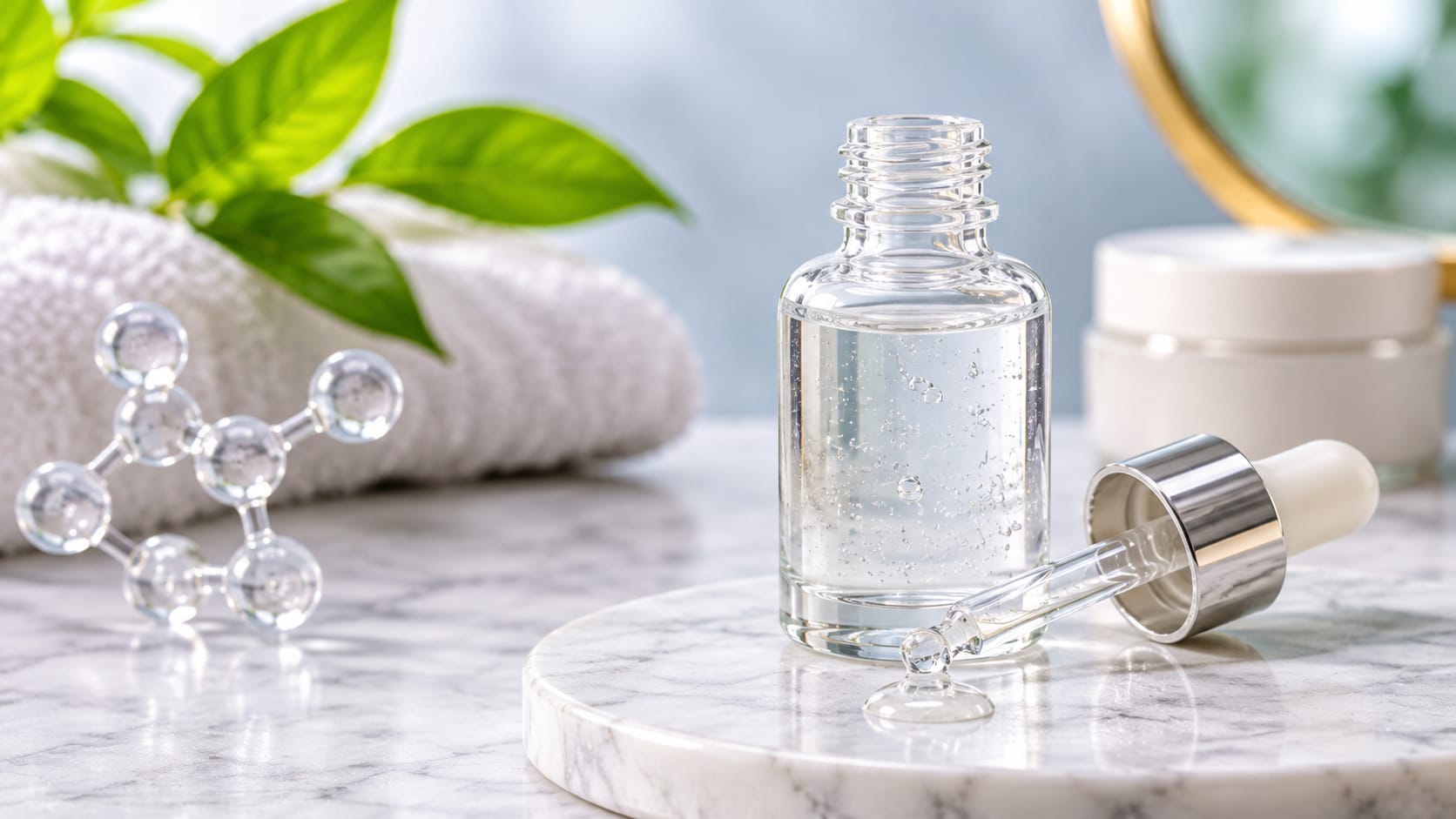
Many topical niacinamide products are in the form of serums. Serums are supplementary treatments that address specific skin conditions in addition to routine washing, toning, and moisturizing.
Some cleansers and creams also include niacinamide.
Read each product label carefully and adhere to all instructions for use.
Niacinamide concentrations vary amongst brands, but most formulations contain 5% or less. According to some findings, 5% niacinamide can help cure fine lines and wrinkles.
If you have sensitive skin, start with a low concentration.
Niacinamide may be referred to as "niacin" or "nicotinamide" on product labels.
Is there a risk of negative effects from niacinamide?
Topical niacinamide is generally safe for usage.
People with pre-existing allergies may be more susceptible to allergic reactions. This is because niacinamide can cause the body to release histamine.
To perform a patch test before utilizing the product:
Apply a dime-size amount of product to your forearm. Wait 48-96 hours. If you notice redness, discolouration, itching, or swelling in the area, wash it thoroughly and stop using it. If you have no negative effects, it should be safe to use elsewhere.
What results can you expect?
As with any new skin care product, you are unlikely to experience major effects right away.
Although most of the available research focused on the usage of niacinamide for 4 to 12 weeks, there is no set duration.
If you don't notice any changes after a few months, it may be time to contact a dermatologist. They can evaluate your skin care routine and advise you on which products to use, as well as any dietary modifications that may benefit your skin's health.
Is niacinamide the same as niacin?
Despite their similar names, niacinamide and niacin are not the same thing. Niacinamide is the water-soluble version of niacin (vitamin B3).
Concluding
Topical niacinamide may improve general skin health. It reduces inflammation and hyperpigmentation while also smoothing fine lines and wrinkles.
While further research is needed, niacinamide may improve illnesses like dermatitis, psoriasis, and acne.
Niacinamide supplements should not be taken unless recommended by a doctor or other healthcare expert. Speak with your doctor to learn more about the potential benefits of niacinamide.
This article is general information, not a diagnosis or a treatment plan. Skin and hair conditions that look alike can need very different treatment. If something is painful, spreading, changing or not responding, see a qualified dermatologist in person.